

The Architectural Features of Palladian Villas: An Example of Timeless Harmony and Elegance
- Revolux Studios
- Jul 9
- 3 min read

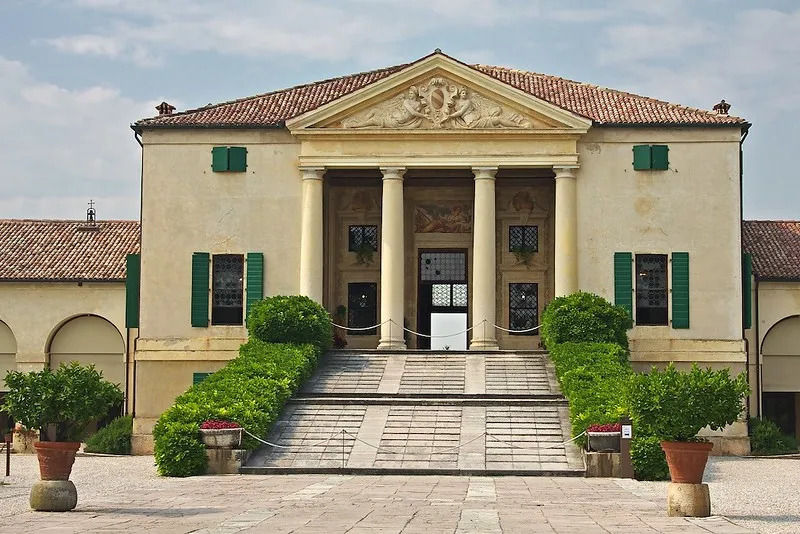
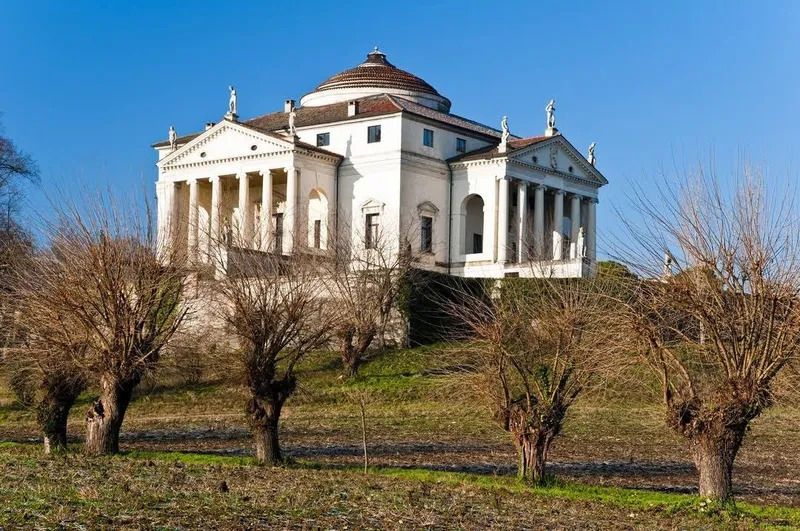
The architecture of the villas designed by Andrea Palladio is among the most fascinating of the Italian Renaissance. Considered one of the most influential architects of all time, Palladio was able to combine classical tradition, functional requirements and aesthetics in a unique way.
His villas, scattered mostly across the Venetian countryside, continue to be studied and admired for their timeless balance and elegance.
Below, we explore the main architectural features that make these works unmistakable, focusing on three fundamental aspects: the presence of a central body, the use of sculptures in white Vicenza stone, and the pictorial decorations created by the greatest artists of the era.
The Central Body: Symmetry and Monumentality
The central body is one of the distinctive elements of Palladian villas. Palladio, influenced by the structure of ancient Roman temples and classical architecture, developed a scheme based on symmetry and harmony of proportions. At the heart of the villa there is always a central body, often raised above ground level and flanked by porticoes and loggias, a symbol of monumentality and solidity.
This structure was not merely an aesthetic device: the central body served as the nerve center of the residence, housing the main halls dedicated to social life and receiving guests. In the famous Villa Rotonda, for example — one of Palladio's most celebrated works — the central body features a circular plan topped by a dome, an innovative element that introduced a sense of centrality and perfect balance.
Sculptures in White Vicenza Stone: Details of Elegance and Historical Character
Another essential element of Palladian villas is the use of white Vicenza stone, a local limestone that gave the buildings a refined, luminous appearance. Vicenza stone, particularly valued for its ease of working and its light color, was used to create sculptures and exterior decorative details.
These sculptures, often found on façades and pediments, draw on classical motifs and are rich in symbolism tied to Renaissance culture. They are elements that enrich the architecture with a refined interplay of light and shadow, turning each villa into a true open-air work of art. At Villa Barbaro, for example, sculptures and bas-reliefs in Vicenza stone decorate the entrances and loggias, emphasizing the building's prestige and monumental character.
Pictorial Decorations: Collaborations with the Great Artists of the Era
Palladio's villas are not only architectural masterpieces, but genuine treasure chests of art. Palladio in fact collaborated with some of the greatest artists of his time to enrich the interiors with pictorial decorations of the highest quality. Among them was the celebrated Paolo Veronese, known for his ability to create atmospheres of great luminosity and chromatic vibrancy.
Pictorial decorations play a fundamental role: they not only adorn the spaces, but complete Palladio's architectural vision. They tell mythological stories, allegorical scenes and themes tied to Renaissance philosophy, enriching the villa with meaning and giving life to a harmonious, integrated vision of space and image. At the aforementioned Villa Barbaro, Veronese created a fresco cycle considered one of the most important of the period, capable of transforming the villa's walls into an immersive and evocative visual narrative.
The Legacy of Palladian Villas: A Source of Inspiration and UNESCO Heritage
Palladio's villas represented an innovative model for their time and continue to be a source of inspiration. With their balance between functionality and beauty, they embody the classical ideal of Renaissance architecture.
Since 1994, some of these villas have been included in the UNESCO World Heritage list, a testament to their historical and cultural value. The spread of Palladio's work, especially thanks to his writings — such as the celebrated "The Four Books of Architecture" — influenced generations of architects and contributed to the birth of the Palladian style, which also had great resonance abroad, especially in England and the United States.
The architecture of Palladian villas is the result of a harmonious combination of structural and decorative elements. The symmetrical central body, the sculptures in white Vicenza stone, and the pictorial decorations signed by the finest artists of the era represent the key aspects that make these villas authentic icons of the Italian Renaissance. They embody an ideal of perfection and beauty that, even today, fascinates and inspires architecture and art enthusiasts around the world.
Palladio's villas are not merely buildings, but true works of art, an expression of an era and a way of thinking that sought to celebrate man and nature in perfect balance.


Comments