

Grants for the Restoration of Venetian Villas, Palazzi and Castles: Opportunities for the Preservation of Historic Heritage
- Revolux Studios
- Jul 9
- 2 min read


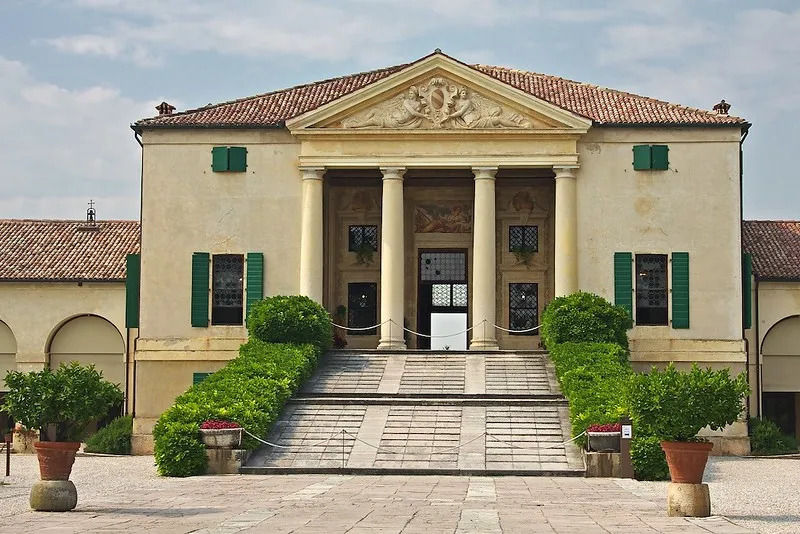
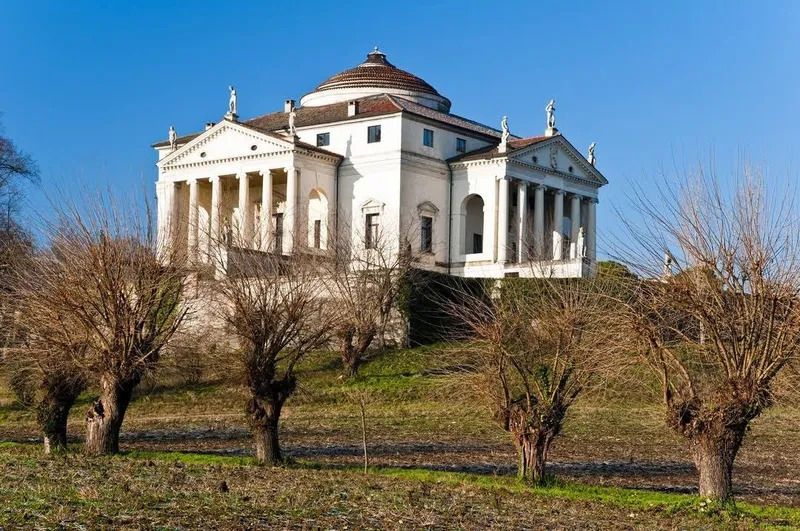
Venetian Villas, historic palazzi and castles represent a fundamental part of Italy's cultural heritage.
These buildings, often characterized by extraordinary artistic and architectural richness, bear witness to centuries of history and tradition. However, keeping these treasures alive is a challenge that requires attention, resources and specific expertise.
In this context, grants for conservative restoration play a crucial role in preserving these assets for future generations.
The importance of conservative restorationConservative restoration is not merely a technical intervention: it is an act of cultural safeguarding. This type of intervention aims to respect and enhance the historical and artistic integrity of buildings, using techniques and materials compatible with the original structures. The most common interventions include structural consolidation, fresco recovery, roof and façade repairs, as well as seismic safety improvements.
Beyond the technical aspect, conservative restoration helps keep alive the bond between local communities and their history. These buildings are not just testimonies of past eras, but can become hubs for cultural, tourism and educational activities.
Available grants and incentives
To encourage the restoration of villas, palazzi and castles, various types of grants are available, both at national and regional level. Among the main support tools are:
State grants: the Ministry of Culture (MiC) offers funding dedicated to the conservation of historic and artistic heritage. These grants are often disbursed through public calls, which owners of Cultural Heritage Properties can apply to by submitting detailed restoration projects.
Tax incentives: among the most significant benefits is the so-called Art Bonus, which allows individuals and companies to obtain a tax credit equal to 65% of the sums donated for the restoration of public Cultural Heritage Properties. In some cases, these incentives can also be extended to private properties of significant cultural interest.
Regional grants: the Regions, particularly Veneto and neighboring areas, make funds available for the restoration of buildings of historic interest. These grants can cover a significant portion of the costs incurred for conservation work.
European funds: the European Union, through programs such as the European Regional Development Fund (ERDF), supports projects aimed at enhancing cultural heritage. Owners of villas, palazzi and castles can access these funds by submitting projects that also promote sustainable tourism development.
Private foundations and associations: there are bodies and foundations that offer grants for the restoration of historic buildings, especially when these projects are linked to cultural or educational initiatives.
How to access the grants
To access funding, it is essential to submit a detailed project that complies with the requirements set out in the calls.
The main steps include:
Preliminary assessment: a technical site inspection to identify the necessary interventions and estimate costs
Design: the drafting of an executive project by qualified professionals, with a focus on conservation methodologies
Grant application: the completion and submission of the required documentation, including cost estimates, technical reports and Soprintendenza authorization, where necessary
Restoration management: once funding is obtained, the work must be carefully monitored, ensuring it meets the required quality standards
The added value of restoration
Beyond heritage preservation, the restoration of villas, palazzi and castles offers numerous economic and social benefits. These buildings can be transformed into event spaces, museums, hospitality facilities or cultural centers, contributing to the economic development of the region. They also attract tourists and visitors, generating significant knock-on benefits for local communities.

Comments